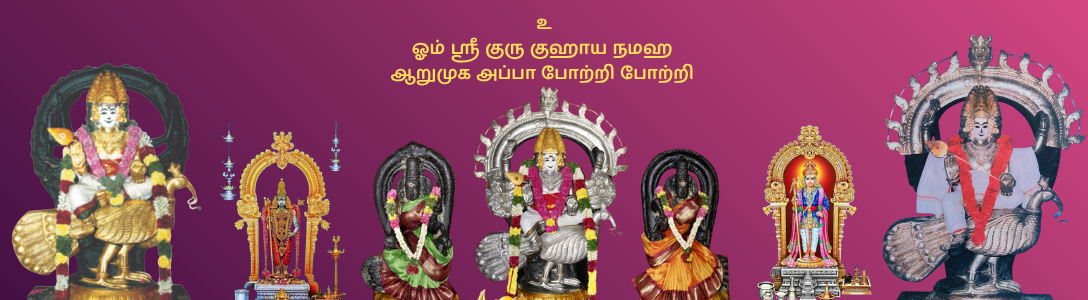
Thiruppugazh 505 nhaataa piRappu (Chidambaram)
மயூரகிரிநாதா உன் திருவடிகள் சரணம்
– மயூரகிரிநாதனுக்கு அரோகரா –
– குன்றக்குடி முருகனுக்கு அரோகரா –
திருப்புகழ் 504 துத்தி பொற்றன (சிதம்பரம்) – திருப்புகழ் 506 நாலு சதுரத்த பஞ்ச (சிதம்பரம்)
பாடல்
தானா தனத்ததன தானா தனத்ததன
தானா தனத்ததன – தனதான
நாடா பிறப்புமுடி யாதோ வெனக்கருதி
நாயே னரற்றுமொழி – வினையாயின்
நாதா திருச்சபையி னேறாது சித்தமென
நாலா வகைக்குமுன – தருள்பேசி
வாடா மலர்ப்பதவி தாதா எனக்குழறி
வாய்பாறி நிற்குமெனை – அருள்கூர
வாராய் மனக்கவலை தீராய் நினைத்தொழுது
வாரே னெனக்கெதிர் முன் – வரவேணும்
சூடா மணிப்பிரபை ரூபா கனத்தவரி
தோலா சனத்தியுமை – யருள்பாலா
தூயா துதித்தவர்கள் நேயா வெமக்கமிர்த
தோழா கடப்பமல – ரணிவோனே
ஏடார் குழற்சுருபி ஞானா தனத்திமிகு
மேராள் குறத்திதிரு – மணவாளா
ஈசா தனிப்புலிசை வாழ்வே சுரர்த்திரளை
ஈடேற வைத்தபுகழ் – பெருமாளே.
பதம் பிரித்தது
தானா தனத்ததன தானா தனத்ததன
தானா தனத்ததன – தனதான
நாடா பிறப்புமுடி யாதோ வெனக்கருதி
நாயேன் அரற்றுமொழி – வினையாயின்
நாதா திருச்சபையி னேறாது சித்தமென
நாலா வகைக்கும் உனது – அருள்பேசி
வாடா மலர்ப்பதவி தாதா எனக்குழறி
வாய்பாறி நிற்குமெனை – அருள்கூர
வாராய் மனக்கவலை தீராய் நினைத்தொழுது
வாரேன் எனக்கு எதிர் – முன்வரவேணும்
சூடா மணிப்பிரபை ரூபா கனத்த அரி
தோல் ஆசனத்தி உமை – அருள்பாலா
தூயா துதித்தவர்கள் நேயா எமக்கமிர்த
தோழா கடப்பமலர் – அணிவோனே
ஏடார் குழற்சுருபி ஞான ஆதனத்தி மிகு
மேராள் குறத்தி திரு – மணவாளா
ஈசா தனிப்புலிசை வாழ்வே சுரர்த்திரளை
ஈடேற வைத்தபுகழ் – பெருமாளே.
English
nAdA piRappumudi yAthO venakkaruthi
nAyE naratrumozhi – vinaiyAyin
nAthA thiruchchabaiyi nERAthu chiththamena
nAlA vakaikkumuna – tharuLpEsi
vAdA malarppathavi thAthA enakkuzhaRi
vAypA RiniRkumenai – aruLkUra
vArAy manakkavalai theerAy ninaiththozhuthu
vArE nenakkethirmun – varavENum
chUdA maNippirabai rUpA ganaththavari
thOlA sanaththiyumai – yaruLbAlA
thUyA thuthiththavargaL nEyA vemakkamirtha
thOzhA kadappamala – raNivOnE
EdAr kuzhaRchurupi gnAnA thanaththimigu
mErAL kuRaththithiru – maNavALA
eecA thanippulisai vAzhvE surarththiraLai
eedERa vaiththapugazh – perumALE.
English Easy Version
nAdA piRappumudi yAthO venakkaruthi
nAyE naratrumozhi – vinaiyAyin
nAthA thiruchchabaiyi nERAthu chiththamena
nAlA vakaikkumuna – tharuLpEsi
vAdA malarppathavi thAthA enakkuzhaRi
vAypA RiniRkumenai – aruLkUra
vArAy manakkavalai theerAy ninaiththozhuthu
vArEn enakkethirmun – varavENum
chUdA maNippirabai rUpA ganaththavari
thOlA sanaththi umai – yaruLbAlA
thUyA thuthiththavargaL nEyA emakkamirtha
thOzhA kadappamala – raNivOnE
EdAr kuzhaRchurupi gnAnA thanaththi migu
mEraL kuRaththithiru – maNavALA
eecA thanippulisai vAzhvE surarththiraLai
eedERa vaiththapugazh – perumALE.
திருப்புகழ் 505 நாடா பிறப்பு (சிதம்பரம்) – விளக்கம்
அருணகிரிநாதர் அருளிச்செய்த திருப்புகழில் 505-வது பாடலாக அமைந்த “நாடா பிறப்பு” எனத் தொடங்கும் இப்பாடல், தில்லை எனப்படும் சிதம்பரம் (புலியூர்) திருத்தலத்தில் வீற்றிருக்கும் முருகப்பெருமானைப் போற்றிப் பாடப்பட்டதாகும். முடிவில்லாத பிறவித் துன்பத்திலிருந்து விடுபட இறைவனின் நேரடி தரிசனத்தையும் கருணையையும் வேண்டி நிற்கும் ஒரு ஆன்மாவின் ஆழமான தவிப்பை இப்பாடல் மிகச் சிறப்பாக வெளிப்படுத்துகிறது. இப்பாடலின் விரிவான விளக்கம் கீழே எட்டுத் தலைப்புகளில் கொடுக்கப்பட்டுள்ளது.
1. பிறவித் துன்பம் குறித்த ஆழமான அச்சம்
உலக வாழ்வில் நாம் எடுக்கும் இந்தப் பிறவித் தொடரானது எப்போதுமே முடிவடையாதோ என்று அருணகிரிநாதர் ஆழமாகச் சிந்தித்து வருந்துகிறார். விரும்பத்தகாததும், துன்பங்கள் நிறைந்ததுமான இந்தப் பிறவிச் சுழற்சியை எண்ணி, நாய் போன்ற கீழான நிலையில் உள்ள அடியேன் அரற்றிப் புலம்பும் வார்த்தைகள் யாவும் வெறும் வீணான செயலாகவே (பயனற்றதாகவே) முடிந்துவிடுமோ என்ற அச்சமும் தவிப்பும் அவரது நெஞ்சில் மேலோங்கி நிற்கிறது. ஆன்மாவின் பிறவிப் பெருங்கடல் குறித்த பயத்தை இந்தப் பகுதி உணர்த்துகிறது.
ணையச் சபையை நாடும் நெஞ்சின் ஏக்கம்
இறைவா! நான் எழுப்பும் இந்தக் கண்ணீர்க் குரலும், வேண்டுதல்களும் நாதராகிய உன்னுடைய திருச்சபையைச் சென்றடையாமல் போய்விடுமோ என்று அடியேன் கலங்குகிறேன். என்னுடைய சித்தம் முழுவதும் உன் வசப்பட்டுவிட்ட நிலையில், நான்கு திசைகளிலும் உள்ள எல்லா மக்களிடமும் உன்னுடைய பெருங்கருணையைப் பற்றியே நான் இடைவிடாது பேசிக்கொண்டிருக்கிறேன். என் வேண்டுதல் உன் செவிகளை எட்டாதோ என்ற ஏக்கமே என்னை இவ்வாறு பிதற்றச் செய்கிறது என்கிறார்.
3. வாடாத மலர்ப்பதவி வேண்டி நிற்றல்
“என்றும் வாடாத பொலிவுடைய உனது மலர் போன்ற திருவடிகளாகிய முக்திப் பதவியை எனக்குத் தந்தருள்வாயாக” என்று உணர்ச்சிப் பெருக்கால் வாய் குழறிக் கேட்கிறார். உனது கருணைக்காக ஏங்கி, தாகத்தால் நாக்கு வறண்டு, வாய் திறந்தபடி தவித்து நிற்கும் எனக்கு நீ பெருங்கருணை காட்ட வேண்டும். நிலையற்ற இந்த உலகப் பதவிகளை விடுத்து, நிலையான இறைவனின் திருவடிப் பதவியையே அருணகிரிநாதர் இங்கு யாசிக்கிறார்.
4. கவலை தீர்க்க நேரில் வர வேண்டும் என்ற கோரிக்கை
இறைவா! நீயே நேரில் வந்தருள வேண்டும்; என்னுடைய மனக்கவலைகள் அனைத்தையும் முழுமையாகத் தீர்த்து வைக்க வேண்டும். உன்னை நினைத்து, மனமுருகித் தொழுது உன் சன்னதிக்குத் தேடி வரும் அளவிற்கான ஆற்றலும் பக்குவமும் எனக்கு இல்லை. எனவே, என் இயலாமையைப் புரிந்துகொண்டு, கருணைக் கடலாகிய நீயே எனக்கு நேருக்கு நேராக என் கண்முன்னே வந்து காட்சி தர வேண்டும் என்று பரிபூரணமாகச் சரணடைகிறார்.
5. உமையம்மையின் அருமைப்புதல்வனே
முருகப்பெருமானின் தெய்வீகப் பிறப்பையும் பெருமையையும் வர்ணிக்கத் தொடங்கும் அருணகிரிநாதர், தலையில் அணியும் சூடாமணியைப் போன்று பேரொளி வீசும் திருவுருவம் கொண்டவனே என்று போற்றுகிறார். பெருமை பொருந்தியதும், வரிகளைக் கொண்டதுமான புலியின் தோலைத் தனது ஆசனமாகக் கொண்டு வீற்றிருக்கும் உமையம்மையின் (பார்வதி தேவியின்) பேரருள் பெற்ற ஒப்பற்ற திருக்குமாரனே! என்று சிவசக்தி மைந்தனின் புகழைப் பாடுகிறார்.
6. அடியவர்களின் தோழனும் கடம்பன் சிறப்பும்
குற்றமற்ற தூய்மையானவனே! உன்னை முழுமையாக நம்பித் துதித்து வழிபடும் மெய்யடியார்களின் பேரன்பிற்கு உரியவனே! அத்தகைய அடியார்களுக்கு மரணமில்லாப் பெருவாழ்வைத் தரும் அமுதம் போன்ற இனிய தோழனே! அழகிய கடம்ப மலர்களால் தொடுக்கப்பட்ட மாலையைத் தன் திருமார்பில் விரும்பி அணிபவனே! என்று முருகனின் எளிமையையும், பக்தர்களிடம் அவன் காட்டும் எல்லையற்ற தோழமையையும் சிறப்பித்துக் கூறுகிறார்.
7. ஞான சொரூபியான வள்ளியின் மணவாளன்
பூவிதழ்கள் நிறைந்த அழகிய கூந்தலையும், மனதைக் கவரும் திருவுருவத்தையும் கொண்டவள் வள்ளியம்மை. அவள் வெறும் குறத்தி அல்ல, உயர்ந்த ஞானத்தின் இருப்பிடமாக (ஞான ஆசனத்தில்) வீற்றிருப்பவள். அத்தகைய மாபெரும் பேரழகியான குறவர் குலப்பெண் வள்ளியம்மையின் தெய்வீக மணவாளனே! வள்ளியின் மீது முருகன் கொண்ட காதலானது, தூய்மையான ஆன்மாவின் மீது இறைவன் கொள்ளும் கருணையின் வெளிப்பாடு என்பதை இது குறிக்கிறது.
8. தேவர்களைக் காத்த தில்லை நடராஜப் பெருமான்
எல்லா உயிர்களுக்கும் ஈசனே! ஒப்பற்றதான புலியூர் எனப்படும் சிதம்பரம் திருத்தலத்தில் வீற்றிருக்கும் பெருவாழ்வே! சூரபத்மன் முதலான அசுரர்களால் துன்புறுத்தப்பட்ட தேவர்களின் கூட்டத்தை அழிவிலிருந்து காப்பாற்றி, அவர்களை உய்வித்து கரையேற்றிய மாபெரும் புகழைக் கொண்ட பெருமாளே! தில்லை நடராஜரின் சன்னதியில் அமர்ந்திருக்கும் முருகனே, எனக்கு நேரில் வந்து அருள்புரிய வேண்டும் என்று கூறிப் பாடலை நிறைவு செய்கிறார்.
சுருக்கம்
இத்திருப்புகழ், பிறவித் துன்பத்திலிருந்து விடுபடத் துடிக்கும் ஒரு ஆன்மாவின் உருக்கமான வேண்டுதலாகும். என்றென்றும் முடிவடையாத இந்தப் பிறவித் துயரத்தை எண்ணி நாய் போன்று அடியேன் புலம்பும் வார்த்தைகள் வீணாகிவிடக் கூடாது; என் வேண்டுதல் உனது திருச்சபையை எட்ட வேண்டும் என அருணகிரிநாதர் ஏங்குகிறார். வாடாத முக்திப் பதவியை வேண்டி வாய் வறண்டு நிற்கும் அடியேனின் மனக்கவலையைத் தீர்க்க, நான் உன்னைத் தேடி வருவதற்கு முன்பாகவே, நீ எனக்கு நேரில் வந்து காட்சி தர வேண்டும் என்று இறைஞ்சுகிறார். சூடாமணி போன்ற ஒளியுடையவனே, புலித்தோல் ஆசனத்தில் அமர்ந்த உமையம்மையின் புதல்வனே, அடியார்களின் அமுதத் தோழனே, கடம்பமாலை அணிந்தவனே, ஞான சொரூபியான வள்ளியின் மணவாளனே, தேவர்களைக் காத்தருளியவனே! ஒப்பற்ற சிதம்பரம் திருத்தலத்தில் வீற்றிருக்கும் பெருமாளே! எனக்கு அருள்புரிவாயாக என்பதே இப்பாடலின் ஒட்டுமொத்தக் கருத்தாகும்.
The essence of Thiruppugazh 505 nhaataa piRappu (Chidambaram)
Here is a deep and detailed explanation of the Thiruppugazh song “Nada Pirappu” (Song 505), dedicated to Lord Muruga enshrined at the sacred temple town of Chidambaram.
1. The Agony of the Ceaseless Cycle of Rebirth
The song opens with a profound existential crisis. Arunagirinathar is overwhelmed by the dread of the continuous, unwanted cycle of birth and death (Samsara). He wonders in despair if this exhausting cycle will ever come to an end. Feeling entirely helpless, he compares himself to a lowly dog, crying out in agony. He fears that his wailing and lamentations might just be wasted breath, rendered useless by the sheer weight of his accumulated past karmas.
2. Yearning to Reach the Divine Assembly
Driven by the anxiety that his prayers might never reach the Lord’s sacred court (Thiruchabai), the poet becomes restless. Afraid that his mind lacks the focus to pierce through the divine veil, he desperately tries another approach: he constantly speaks of the Lord’s infinite grace to all people across the four directions. This reflects the state of a yearning soul that, feeling disconnected from God, tries to find the divine by constantly singing His glory to the world.
3. Thirsting for the Unfading Lotus Feet
The poet’s spiritual longing reaches a fever pitch. With a dried-out mouth and a stammering voice, he continuously begs the Lord to grant him the “unfading flower.” This unfading flower represents the eternal, imperishable state of liberation (Mukthi) and the permanent refuge of the Lord’s holy lotus feet. The physical symptom of a parched mouth powerfully conveys his intense spiritual thirst and absolute exhaustion in seeking ultimate truth.
4. A Bold Plea for Direct Intervention
In a deeply emotional turn, Arunagirinathar realizes his own limitations. He confesses that he lacks the strength and absolute focus required to constantly meditate, worship, and journey toward the Lord. Therefore, he makes a bold and intimate demand: instead of the devotee struggling to reach God, God must step forward. He pleads with Lord Muruga to appear directly in front of him, wipe away his deep-seated mental anxieties, and shower His grace instantly.
5. The Radiant Son of Goddess Uma
Transitioning from his personal lament to divine praise, the poet describes Lord Muruga’s breathtaking appearance. He visualizes the Lord shining brilliantly like a flawless, luminous crest jewel (Chudamani). He then honors Muruga’s supreme lineage, hailing Him as the beloved son of Goddess Uma (Parvati), who majestically rules the cosmos seated upon a throne made of a fierce, striped tiger’s skin.
6. The Pure Nectar-like Companion
Arunagirinathar softens his tone, addressing Muruga not just as a distant cosmic deity, but as an intimate, pure-hearted friend. To those who truly praise and surrender to Him, Lord Muruga becomes a sweet, life-giving companion—like divine nectar (Amirtha). The poet pictures this supreme friend adorned beautifully with a fragrant garland of Kadamba flowers, symbolizing His accessibility and love for His devotees.
7. The Consort of the Wise Goddess Valli
The poet further praises Muruga’s divine love by describing Him as the husband of Goddess Valli. Valli is portrayed here not merely as a humble girl from the hunter (Kurava) clan, but as a supremely beautiful woman with flower-adorned tresses who rightfully occupies the exalted throne of supreme wisdom (Gnana Asanam). This highlights the philosophy that true devotion, regardless of one’s earthly background, elevates the soul to the highest state of spiritual wisdom.
8. The Savior Enshrined at Sacred Puliyur
In the concluding lines, the poet addresses Lord Muruga as the Supreme Lord (Isa) and the very life-breath of the incomparable, historic town of Puliyur (Chidambaram). He praises the Lord’s unmatched valor and compassion in rescuing the multitude of Devas (celestial beings) from the tyranny of the Asuras, uplifting them and restoring their celestial realm. Arunagirinathar surrenders to this highly renowned, victorious Lord who reigns from Chidambaram.
Summary
This Thiruppugazh is a moving spiritual plea that shifts from deep existential despair to glorious divine surrender. Arunagirinathar begins by expressing a gripping fear of the endless cycle of rebirth, worrying that his exhausted cries are useless. Parched and stuttering, he begs for the eternal liberation of the Lord’s “unfading lotus feet.” Realizing his own inability to reach God through effort alone, he passionately demands that Lord Muruga appear directly before him to cure his mental agony. The poem then blossoms into praise, describing Muruga as a radiant jewel, the son of Goddess Uma seated on a tiger skin, and the nectar-like companion of true devotees. Praising Him further as the Lord of the wise Goddess Valli and the heroic savior of the celestial beings, Arunagirinathar ultimately takes refuge in the magnificent Lord Muruga enshrined in the sacred city of Chidambaram.