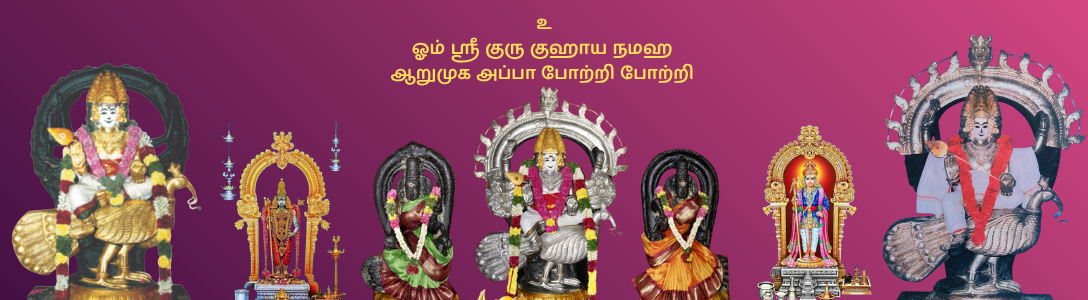
Thiruppugazh 475 kUndhalAzhavirindhu (chidhambaram)
மயூரகிரிநாதா உன் திருவடிகள் சரணம்
– மயூரகிரிநாதனுக்கு அரோகரா –
– குன்றக்குடி முருகனுக்கு அரோகரா –
திருப்புகழ் 474 கரிய மேகமெனும் (சிதம்பரம்) – திருப்புகழ் 476 அத்தன் அன்னை (சிதம்பரம்)
பாடல்
தாந்த தானன தந்த தனந்தன
தாந்த தானன தந்த தனந்தன
தாந்த தானன தந்த தனந்தன – தந்ததான
கூந்த லாழவி ரிந்து சரிந்திட
காந்து மாலைகு லைந்து பளிங்கிட
கூர்ந்த வாள்விழி கெண்டை கலங்கிட – கொங்கைதானுங்
கூண்க ளாமென பொங்கந லம்பெறு
காந்தள் மேனிம ருங்குது வண்டிட
கூர்ந்த ஆடைகு லைந்துபு ரண்டிர – சங்கள்பாயச்
சாந்து வேர்வின ழிந்து மணந்தப
வோங்க வாகில்க லந்து முகங்கொடு
தான்ப லாசுளை யின்சுவை கண்டித – ழுண்டுமோகந்
தாம்பு றாமயி லின்குரல் கொஞ்சிட
வாஞ்சை மாதரு டன்புள கங்கொடு
சார்ந்து நாயென ழிந்துவி ழுந்துடல் – மங்குவேனோ
தீந்த தோதக தந்தன திந்திமி
ஆண்ட பேரிகை துந்துமி சங்கொடு
சேர்ந்த பூரிகை பம்பை தவண்டைகள் – பொங்குசூரைச்
சேண்சு லாமகு டம்பொடி தம்பட
வோங்க வேழ்கட லுஞ்சுவ றங்கையில்
சேந்த வேலது கொண்டு நடம்பயில் – கந்தவேளே
மாந்த ணாருவ னங்குயில் கொஞ்சிட
தேங்கு வாழைக ரும்புகள் விஞ்சிடு
வான்கு லாவுசி தம்பரம் வந்தமர் – செங்கைவேலா
மாண்ப்ர காசத னங்கிரி சுந்தர
மேய்ந்த நாயகி சம்பைம ருங்குபொன்
வார்ந்த ரூபிகு றம்பெண் வணங்கிய – தம்பிரானே.
பதம் பிரித்தது
தாந்த தானன தந்த தனந்தன
தாந்த தானன தந்த தனந்தன
தாந்த தானன தந்த தனந்தன – தந்ததான
கூந்தல் ஆழ விரிந்து சரிந்திட
காந்து மாலை குலைந்து பளிங்கிட
கூர்ந்த வாள் விழி கெண்டை கலங்கிட – கொங்கை தானும்
கூண்கள் ஆம் என பொங்க நலம் பெறு
காந்தள் மேனி மருங்கு துவண்டிட
கூர்ந்த ஆடை குலைந்து புரண்டு – இரசங்கள் பாய
சாந்து வேர்வின்அழிந்து மணம் த(ப்)ப
ஓங்கு அவாவில் கலந்து முகம் கொடு
தான் பலா சுளையின் சுவை கண்டு – இதழுண்டு மோகம்
தாம் புறா மயிலின் குரல் கொஞ்சிட
வாஞ்சை மாதருடன் புளகம் கொடு
சார்ந்து நாய் என அழிந்து விழுந்து உடல் – மங்குவேனோ
தீந்த தோதக தந்தன திந்திமி
ஆண்ட பேரிகை துந்துமி சங்கொடு
சேர்ந்த பூரிகை பம்பை தவண்டைகள் – பொங்கு சூரைச்
சேண் சுலா மகுடம் பொடிதம் பட
ஓங்கு அவ்வேழ் கடலும் சுவற அம் கையில்
சேந்த வேலது கொண்டு நடம் பயில் – கந்த வேளே
மாந் தண் ஆரு(ம்) வனம் குயில் கொஞ்சிட
தேங்கு வாழை கரும்புகள் விஞ்சிடு
வான் குலாவு சிதம்பரம் வந்து அமர் – செங்கை வேலா
மாண் ப்ரகாச தனம் கிரி சுந்தரம்
ஏய்ந்த நாயகி சம்பை மருங்கு பொன்
வார்ந்த ரூபி குற பெண் வணங்கிய – தம்பிரானே.
English
kUntha lAzhavi rinthusa rinthida
kAnthu mAlaiku lainthupa Lingida
kUrntha vALvizhi keNdaika langida – kongaithAnung
kUNka LAmena pongana lampeRu
kAnthaL mEnima runguthu vaNdida
kUrntha Adaiku lainthupu raNdira – sangaLpAyac
chAnthu vErvina zhinthuma Nanthapa
vOnga vAkilka lanthumu kangodu
thAnpa lAchuLai yinsuvai kaNditha – zhuNdumOkan
thAmpu RAmayi linkural konjida
vAnjai mAtharu danpuLa kangodu
sArnthu nAyena zhinthuvi zhunthudal – manguvEnO
theentha thOthaka thanthana thinthimi
ANda pErikai thunthumi sangodu
sErntha pUrikai pampaitha vaNdaikaL – pongucUraic
chENsu lAmaku dampodi thampada
vOnga vEzhkada lunjuva Rangaiyil
sEntha vElathu koNdu nadampayil – kanthavELE
mAntha NAruva nanguyil konjida
thEngu vAzhaika rumpukaL vinjidu
vAnku lAvuchi thamparam vanthamar – sengaivElA
mANpra kAsatha nangiri sunthara
mEyntha nAyaki sampaima rungupon
vArntha rUpiku RampeNva Nangiya – thambirAnE.
English Easy Version
kUnthal Azha virinthu sarinthida
kAnthu mAlai kulainthu paLingida
kUrntha vAL vizhi keNdai kalangida – kongai thAnum
kUNkaL Am ena ponga nalam peRu
kAnthaL mEni marungu thuvaNdida
kUrntha Adai kulainthu puraNdu – irasangaL pAya
chAnthu vErvinazhinthu maNam tha(p)pa
Ongu avAvil kalanthu mukam kodu
thAn palA chuLaiyin suvai kaNdu – ithazhuNdu
mOkam thAm puRA mayilin kural konjida
vAnjai mAtharudan puLakam kodu
sArnthu nAy ena azhinthu vizhunthu udal – manguvEnO
theentha thOthaka thanthana thinthimi
ANda pErikai thunthumi sangodu
sErntha pUrikai pampai thavaNdaikaL – pongu cUraic
chEN sulA makudam poditham pada
Ongu avvEzh kadalum chuvaRa am kaiyil
sEntha vElathu koNdu nadam payil – kantha vELE
mAn thaN Aru(m) vanam kuyil konjida
thEngu vAzhai karumpukaL vinjidu
vAn kulAvu sithamparam vanthu amar – sengai vElA
mAN prakAsa thanam kiri suntharam
Eyntha nAyaki sampai marungu pon
vArntha rUpi kuRa peN vaNangiya – thambirAnE.
திருப்புகழ் 475 கூந்தலாழ விரிந்து (சிதம்பரம்) – விளக்கம்
சிதம்பரம் (புலியூர்) திருத்தலத்தில் அருணகிரிநாதரால் அருளிச் செய்யப்பட்ட “கூந்தலாழ விரிந்து சரிந்திட…” எனத் தொடங்கும் இந்தத் திருப்புகழ், சிற்றின்ப மாயையின் நிலையாமையையும், அதிலிருந்து விடுபட்டு இறைவனின் பேரருளைப் பெறும் மார்க்கத்தையும் மிக ஆழமாக விளக்குகிறது. பாடலின் முதல் பாதி, மனிதனை அழிவுப்பாதையில் இட்டுச்செல்லும் காம இச்சையின் கோரப்பிடியை மிகத் தெளிவாகப் படம் பிடித்துக் காட்டுகிறது. பிற்பாதி, அசுரர்களை அழித்த முருகப்பெருமானின் வீரத்தையும், தில்லைச் சிதம்பரத்தின் இயற்கை எழிலையும், வள்ளியம்மையின் தூய அன்பையும் போற்றுகிறது. இத்திருப்புகழின் ஆழமான விளக்கத்தை எட்டு தலைப்புகளில் கீழே காண்போம்.
1. சிற்றின்ப மயக்கமும் தோற்ற மாற்றங்களும்
பெண்களுடனான சிற்றின்ப மயக்கத்தில் ஆழமாக ஈடுபடும்போது ஏற்படும் உடல் ரீதியான தோற்ற மாற்றங்களை அருணகிரிநாதர் மிகத் துல்லியமாக விவரிக்கிறார். பெண்களின் அழகிய நீண்ட கூந்தல் அவிழ்ந்து சரிந்து விழவும், அவர்கள் கழுத்தில் அணிந்திருந்த மணம் வீசும் மலர் மாலைகள் கசங்கி நசுங்கவும், ஒளிபொருந்திய வாள் போன்றதும் கெண்டை மீன் போன்றதுமான அவர்களது கண்கள் காம மயக்கத்தால் நிலைதடுமாறவும் உலகத்தவர் சிற்றின்பத்தில் உழல்கின்றனர். இது மனித மனத்தின் கட்டுப்பாடற்ற நிலையைக் குறிக்கிறது.
2. காமத்தின் பிடியில் உடலும் ஆடையும்
காமத்தின் உந்துதலால் மார்பகங்கள் பூரித்து எழவும், காந்தள் மலர் போன்ற மென்மையான உடலும், இடையும் துவண்டு போகவும், உடுத்தியிருந்த மெல்லிய ஆடைகள் குலைந்து நழுவிப் புரளவும் பெண்கள் காட்சியளிக்கின்றனர். இத்தகைய உடல் சார்ந்த அழகுகளும், தற்காலிகமான சிற்றின்ப உணர்ச்சிகளும் மனிதர்களை எளிதில் மயக்கி, அவர்களின் ஆன்மீகச் சிந்தனையை வேரோடு அழித்துவிடுகின்றன என்பதை இவரிகள் மூலம் கவிஞர் எச்சரிக்கிறார்.
3. நிலையற்ற இன்பமும் அறியாமையும்
உடலில் பூசியிருந்த சந்தனம் முதலான நறுமணப் பொருட்கள் வியர்வையினால் அழிந்து போகவும், அகில் கட்டையின் நறுமணம் கலந்து வீசும் முகத்தோடு, பலாச்சுளையின் இனிமைக்கு நிகரான அவர்களின் இதழ்களைச் சுவைத்து ஆடவர்கள் இன்புறுகின்றனர். அப்போது காம மயக்கத்தால் மயில் போல அவர்கள் எழுப்பும் கொஞ்சும் குரலைக் கேட்டு மதிமயங்குகின்றனர். இந்த உலகியல் இன்பம் ஒரு மாயை என்பதை உணராமல், அதையே நிலையான பேரின்பம் என்று மனிதர்கள் நம்பி விடுகிறார்கள்.
4. நாய் போல் வீணாகி அழிந்து போவேனோ?
மேற்கூறியவாறு, விலைமாதர்கள் அல்லது காம இச்சையைத் தூண்டும் பெண்களின் மீது ஆசை கொண்டு, அவர்களுடன் உடல் கலந்து, சிற்றின்பத்திலேயே மூழ்கிக் கிடக்கும் மனிதர்களின் வாழ்க்கை வீணாகிவிடுகிறது. “நாய் எப்படி இழிவான வாழ்க்கையை வாழ்கிறதோ, அதைப்போல இந்தச் சிற்றின்ப வலையில் சிக்கி, என் உடலும் உயிரும் மங்கி, நான் அழிந்து விழலாமா? இந்த மாயையிலிருந்து என்னை நீ காப்பாற்ற மாட்டாயா?” என்று முருகப்பெருமானிடம் அருணகிரியார் நெஞ்சுருகி மன்றாடுகிறார்.
5. போர்க்களத்தின் பேரொலியும் வாத்திய முழக்கமும்
பாடலின் இரண்டாம் பாதியில் முருகப்பெருமானின் வீரப் பெருமிதம் தொடங்குகிறது. ‘தீந்த தோதக தந்தன திந்திமி’ என்று தாளலயத்துடன் முழங்கும் பெரிய பேரிகை, துந்துமி, சங்கு, பூரிகை, பம்பை, தண்டை ஆகிய பல்வேறு போர் வாத்தியங்கள் போர்க்களத்தில் பேரொலி எழுப்புகின்றன. அசுரர்களுடனான போரின்போது, தேவர்கள் முழங்கிய இந்த வாத்தியங்களின் ஒலி, முருகனின் எல்லையற்ற ஆற்றலையும் வெற்றித் திருவிழாவையும் பறைசாற்றுகின்றன.
6. சூரனை அழித்து ஏழுகடலையும் வற்றச் செய்த வீரம்
போர்க்களத்தில் ஆரவாரம் செய்த சூரபத்மனின் வானளாவிய பெரிய கிரீடம் சுக்குநூறாகப் பொடிபட்டு விழும்படியும், ஆர்ப்பரித்து எழுந்த ஏழு கடல்களும் முற்றிலும் வற்றிப் போகும்படியும், தனது திருக்கரத்தில் உள்ள சிவந்த ஞானவேலைச் செலுத்திய மாவீரன் முருகப்பெருமான். அந்த வேலாயுதத்தைக் கையில் ஏந்தியபடி வெற்றி நடனம் புரியும் வீரக் கந்தவேளே என்று இறைவனின் எல்லையற்ற பராக்கிரமத்தை அருணகிரியார் போற்றித் துதிக்கிறார்.
7. இயற்கை எழில் கொஞ்சும் தில்லைச் சிதம்பரம்
முருகப்பெருமான் வீற்றிருக்கும் தில்லைச் சிதம்பரத்தின் (புலியூர்) இயற்கை அழகை முக்கனி வளங்களோடு கவிஞர் வர்ணிக்கிறார். மாமரங்கள் அடர்ந்த குளிர்ந்த சோலைகளில் குயில்கள் இனிமையாகக் கூவிப் பாடுகின்றன. நீர் நிறைந்த வாழை மரங்களும், செழித்து வளர்ந்த கரும்புகளும் வானளாவ உயர்ந்து நிற்கின்றன. இத்தகைய வளங்கள் நிறைந்த சிதம்பரத்தில் எழுந்தருளி, தன் சிவந்த திருக்கரத்தில் வேலாயுதத்தை ஏந்தி அடியார்களுக்கு அருள்பாலிக்கும் உன்னதத் தெய்வம் முருகன் ஆவார்.
8. குறமகள் வள்ளியம்மை வணங்கும் தம்பிரான்
மாண்பும் பிரகாசமும் பொருந்திய மலை போன்ற அழகிய கொங்கைகளையும், மின்னல் கொடியைப் போன்ற நுண்ணிய இடையையும், பொன் போன்ற ஒளிரும் திருமேனியையும் கொண்டவள் குறவர் குலத்தில் வளர்ந்த வள்ளியம்மை. அந்த அழகிய நாயகியான வள்ளி நாச்சியார், அன்போடு பணிந்து வணங்கும் முழுமுதற் கடவுளே (தம்பிரானே)! என்று முருகனைப் போற்றிப் பாடி இத்திருப்புகழை நிறைவு செய்கிறார். தூய அன்புக்கு இறைவன் எளிதில் கட்டுப்படுவான் என்பதை வள்ளியின் திருமணம் உணர்த்துகிறது.
சுருக்கம்
திருப்புகழ் 475-ஆம் பாடல், சிற்றின்பத்தால் ஏற்படும் அழிவையும், பேரின்பத்தின் உன்னதத்தையும் ஒப்பிட்டுக் காட்டுகிறது. ஆடைகள் குலைய, கூந்தல் சரிய, வியர்வையால் சந்தனம் கலைய, பலாச்சுளை போன்ற இதழ்களைச் சுவைத்து, காம மயக்கத்தில் பெண்களுடன் சேர்ந்து ஒரு நாய் போல அடியேன் அழிந்து போகலாமா? என்று அருணகிரிநாதர் முருகனிடம் அடைக்கலம் தேடுகிறார். பின்னர், பேரிகை முதலான போர் வாத்தியங்கள் முழங்க, சூரபத்மனின் மகுடம் பொடிபடவும், ஏழு கடல்களும் வற்றிப் போகவும் தன் ஞானவேலைச் செலுத்திய கந்தவேளின் வீரத்தைப் புகழ்கிறார். மாஞ்சோலைகளில் குயில்கள் கூவும் இயற்கை வளம் நிறைந்த சிதம்பரத்தில் வீற்றிருப்பவனும், பொன் போன்ற திருமேனியைக் கொண்ட குறமகள் வள்ளியம்மை அன்போடு வணங்கும் முழுமுதற் கடவுளுமாகிய முருகப்பெருமானின் திருவடிகளில் சரணடைவதே உண்மையான முக்தி மார்க்கம் என்பதை இப்பாடல் ஆழமாக எடுத்துரைக்கிறது.
The Essence of Thiruppugazh 475 kUndhalAzhavirindhu (chidhambaram)
Here is a deep and comprehensive explanation of Thiruppugazh 475 (“Kundhalazha virindhu”), composed by the 15th-century Tamil saint-poet Arunagirinathar. Set in the sacred cosmic city of Chidambaram, this magnificent hymn creates a stark contrast between the exhausting, fleeting nature of worldly lust and the supreme, eternal power of Lord Murugan’s divine grace.
1. The Intoxicating Trap of Physical Illusion
The hymn begins by painting a vivid, highly sensory picture of physical intimacy, meant to illustrate how deeply the human soul gets entangled in Maya (worldly illusion). Arunagirinathar describes women with their beautiful, long hair loosening and falling down during romantic embraces. The radiant, fragrant flower garlands they wear around their necks are crushed and ruined. By detailing these scenes, the poet is not merely describing physical beauty, but rather exposing the chaotic and transient nature of sensual pleasures that easily distract the human mind from its higher spiritual purpose.
2. The Exhaustion of the Senses
Continuing the description of sensual entanglement, the poet highlights the physical toll of worldly indulgence. He describes the women’s sharp, sword-like eyes—which resemble beautiful carp fish—becoming clouded and dazed by lust. Their tender, beautiful waists droop and sway from exhaustion. The fine garments they wear slip and loosen, and the cooling sandalwood paste applied to their bodies is washed away by sweat. This portrays how chasing physical desires ultimately drains the vital life force, leaving the body fatigued and the mind restless, rather than providing any lasting peace.
3. The Deceptive Sweetness of Worldly Pleasures
The sensory trap tightens as the poet describes the alluring fragrances and tastes of physical romance. The air is filled with the rich scent of Akil (agarwood) mixed with the fragrance of the women. The worldly man is utterly captivated, tasting their lips which seem as sweet as ripe jackfruit (palaa chulai). The women speak in sweet, cooing voices that resemble the calls of peacocks. Arunagirinathar explains that the human senses are entirely hijacked by these superficial delights, making the temporary seem permanent, and the destructive seem desirable.
4. The Desperate Plea for Deliverance
Having described the irresistible pull of lust, Arunagirinathar reaches the emotional core of the hymn’s first half. Speaking on behalf of all struggling souls, he assumes a position of extreme humility. He asks, “Will I completely lose myself to these desirous women? Will I fall like a lowly dog into this sensual trap, letting my body and soul fade away into nothingness?” This is a desperate cry for divine intervention. The poet realizes that human willpower alone is often not enough to overcome the primal forces of lust, and he begs the Lord to save him from wasting his precious human birth.
5. The Cosmic Symphony of the Divine Warrior
The second half of the poem shifts dramatically in tone, rhythm, and imagery. Leaving the bedchamber of lust, we are transported to the cosmic battlefield. Arunagirinathar employs brilliant onomatopoeic rhythmic words (“theentha thOthaka thanthana thinthimi”) to mimic the thundering beats of war drums. He lists a grand array of ancient martial instruments: the Perigai, Thunthumi, Sangu (conch), Poorikai, Pampai, and Thavandai. This deafening, majestic symphony signifies the arrival of Lord Murugan, representing the awakening of supreme divine energy that shatters the silence of ignorance.
6. The Obliteration of the Ultimate Ego
In the midst of this battlefield, Arunagirinathar glorifies Lord Murugan’s ultimate martial triumph. He praises the Lord who wields the fierce, red Vel (the sacred spear of wisdom). With this Vel, Murugan shattered the towering, sky-reaching crown of the great demon Soorapadman. In Hindu philosophy, Soorapadman is the ultimate personification of the human ego (Ahankara). Furthermore, the heat of the Vel dried up the roaring seven oceans. Spiritually, this represents the Lord’s power to dry up the endless ocean of Karma and the cycle of repeated births and deaths.
7. The Natural Majesty of Sacred Chidambaram
After the intense battlefield imagery, the poem transitions into a serene, beautiful description of the temple town of Chidambaram (Puliyur), where this hymn was sung. The poet describes Chidambaram as a fertile, sky-reaching paradise. It is filled with dense, fragrant mango groves where sweet cuckoos coo harmoniously. Tall, water-filled banana trees and towering sugarcanes grow abundantly. In this vibrant, life-affirming sacred space, the Lord who holds the victorious red spear in His hand joyously resides, offering His boundless grace to all seekers.
8. The Supreme Master Worshipped by Goddess Valli
In the final lines, Arunagirinathar crowns Lord Murugan as the supreme deity by linking Him to His consort, Goddess Valli. Valli is described with breathtaking divine beauty: possessing radiant, mountain-like breasts, a slender waist that flashes like lightning (sampai), and a glorious, golden-hued form. She represents the Jivatma (the individual human soul) that possesses pure, unadulterated devotion. The poet concludes by stating that this beautiful Kurava princess worships and completely surrenders to Murugan, identifying Him as the Thambiran—the Supreme Master of the universe.
Summary
Thiruppugazh 475 is a magnificent poetic composition that contrasts the exhausting illusions of the material world with the liberating, eternal power of the Divine. In the first half, Arunagirinathar uses intensely sensory imagery—loosened hair, crushed garlands, melting sandalwood, and sweet voices—to describe the inescapable trap of lust that drains the human body and soul. Realizing this danger, he begs the Lord for salvation so he does not perish like a dog. The second half answers this plea with a thundering cosmic shift. Accompanied by the rhythmic beats of ancient war drums, Lord Murugan arrives as the supreme warrior who shatters the ego of the demon Soorapadman and dries the oceans of karma with His red spear. Finally, the hymn settles into the lush, peaceful groves of Chidambaram, praising Murugan as the Supreme Master who is eternally adored by the golden-hued Goddess Valli.
Thiruppugal – திருப்புகழ்