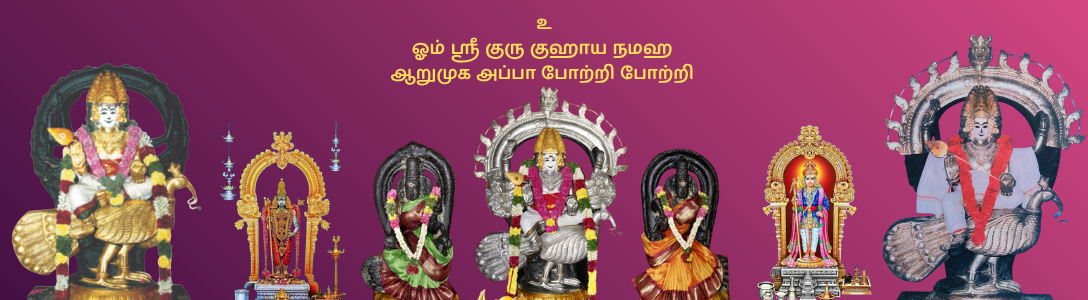
Thiruppugazh 124 oruvaraioruvar (pazhani)
மயூரகிரிநாதா உன் திருவடிகள் சரணம்
– மயூரகிரிநாதனுக்கு அரோகரா –
– குன்றக்குடி முருகனுக்கு அரோகரா –
திருப்புகழ் 123 ஒருபொழுதும் இருசரண (பழநி) – திருப்புகழ் 125 ஓடி ஓடி (பழநி)
பாடல்
தனதன தனன தான தனதன தனன தான
தனதன தனன தான – தனதான
ஒருவரை யொருவர் தேறி யறிகிலர் மதவி சாரர்
ஒருகுண வழியு றாத – பொறியாளர்
உடலது சதமெ னாடி களவுபொய் கொலைக ளாடி
உறநம னரகில் வீழ்வ – ரதுபோய்பின்
வருமொரு வடிவ மேவி யிருவினை கடலு ளாடி
மறைவரி னனைய கோல – மதுவாக
மருவிய பரம ஞான சிவகதி பெறுக நீறு
வடிவுற அருளி பாத – மருள்வாயே
திரிபுர மெரிய வேழ சிலைமத னெரிய மூரல்
திருவிழி யருள்மெய்ஞ் ஞான – குருநாதன்
திருசரஸ் வதிம யேசு வரியிவர் தலைவ ரோத
திருநட மருளு நாத – னருள்பாலா
சுரர்பதி யயனு மாலு முறையிட அசுரர் கோடி
துகளெழ விடுமெய்ஞ் ஞான – அயிலோனே
சுககுற மகள்ம ணாள னெனமறை பலவு மோதி
தொழமுது பழநி மேவு – பெருமாளே.
பதம் பிரித்தது
தனதன தனன தான தனதன தனன தான
தனதன தனன தான – தனதான
ஒருவரை யொருவர் தேறி யறிகிலர் மத விசாரர்
ஒருகுண வழியு றாத – பொறியாளர்
உடலது சதமெ னாடி களவுபொய் கொலைக ளாடி
உற நமன் நரகில் வீழ்வர் – அதுபோய்பின்
வருமொரு வடிவ மேவி இருவினை கடலுள் ஆடி
மறைவர் இனனைய கோலம் – அதுவாக
மருவிய பரம ஞான சிவகதி பெறுக நீறு
வடிவுற அருளி பாதம் – அருள்வாயே
திரிபுர மெரிய வேழ சிலைமதனெரிய மூரல்
திருவிழி யருள்மெய்ஞ் ஞான – குருநாதன்
திருசரஸ்வதி மயேசுவரியிவர் தலைவர் ஓத
திருநடம் அருளு நாதன் – அருள்பாலா
சுரர்பதி யயனு மாலு முறையிட அசுரர் கோடி
துகளெழ விடு மெய்ஞ் ஞான – அயிலோனே
சுககுற மகள்ம ணாளனென மறை பலவு மோதி
தொழ முது பழநி மேவு – பெருமாளே.
English
oruvarai yoruvar thERi yaRikilar mathavi cArar
orukuNa vazhiyu RAtha – poRiyALar
udalathu sathame nAdi kaLavupoy kolaika LAdi
uRanama narakil veezhva – rathupOypin
varumoru vadiva mEvi yiruvinai kadalu LAdi
maRaivari nanaiya kOla – mathuvAka
maruviya parama njAna sivakathi peRuka neeRu
vadivuRa aruLi pAtha – maruLvAyE
thiripura meriya vEzha silaimatha neriya mUral
thiruvizhi yaruLmeynj njAna -gurunAthan
thirusaras vathima yEsu variyivar thalaiva rOtha
thirunada maruLu nAtha – naruLbAlA
surarpathi yayanu mAlu muRaiyida asurarkOdi
thukaLezha vidumeynj njAna – ayilOnE
sukakuRa makaLma NALa nenamaRai palavu mOthi
thozhamuthu pazhani mEvu – perumALE.
English Easy Version
oruvarai yoruvar thERi yaRikilar mathavi cArar
orukuNa vazhiyu RAtha – poRiyALar
udalathu sathame nAdi kaLavupoy kolaika LAdi
uRanama narakil veezhvar – athupOypin
varumoru vadiva mEvi yiruvinai kadalu LAdi
maRaivar inanaiya kOla – mathuvAka
maruviya parama njAna sivakathi peRuka neeRu
vadivuRa aruLi pAtha – maruLvAyE
thiripura meriya vEzha silaimatha neriya mUral
thiruvizhi yaruLmeynj njAna – gurunAthan
thirusaras vathima yEsu variyivar thalaiva rOtha
thirunada maruLu nAtha – naruLbAlA
surarpathi yayanu mAlu muRaiyida asurarkOdi
thukaLezha vidumeynj njAna – ayilOnE
sukakuRa makaLma NALanena maRai palavu mOthi
Thozha muthu pazhani mEvu – perumALE.
திருப்புகழ் 124 ஒருவரை ஒருவர் (பழநி) – விளக்கம்
சுப்பு, உனது திருப்புகழ் தேடலின் தொடர்ச்சியாக, 124-வது பாடலான “ஒருவரை யொருவர் தேறி…” என்ற பாடலின் ஆழமான விளக்கத்தை இங்கே தருகிறேன். வீணான வாதங்களிலும், உலகியல் மாயைகளிலும் சிக்கி அழியும் மனித வாழ்க்கையின் நிலையாமையைச் சுட்டிக்காட்டி, பரம ஞானத்தை அருள வேண்டும் என்று பழனி முருகனிடம் அருணகிரிநாதர் வேண்டுவது இப்பாடலின் சிறப்பாகும்.
1. வீணான மத வாதங்களும் நற்குணமின்மையும்
உலகில் உள்ள மக்கள் ஒருவரையொருவர் சரியாகப் புரிந்துகொள்ளாமல், வீணான மத வாதங்களில் ஈடுபட்டுத் தர்க்கம் செய்கிறார்கள். அவர்கள் எந்தவொரு நிலையான நற்குணமும் இல்லாதவர்களாக, ஐம்புலன்களின் ஆசைகளுக்குக் கட்டுப்பட்ட அடிமைகளாக (பொறியாளர்கள்) வாழ்கிறார்கள். மெய்ப்பொருளைத் தேடுவதை விட்டுவிட்டு, வெறும் வார்த்தை ஜாலங்களில் தங்கள் வாழ்நாளை வீணடிக்கிறார்கள்.
2. உடம்பே நிலையென வாழும் அறியாமை
இந்த அழியக்கூடிய உடம்பையே நிரந்தரம் (சதம்) என்று உறுதியாக நம்பி, உடல் இன்பத்திற்காகக் களவு, பொய், கொலை போன்ற கொடிய பாவச் செயல்களைச் செய்கிறார்கள். அறநெறியைத் தவிர்த்துத் தீவினைகளைச் செய்வதன் விளைவாக, முடிவில் யமதர்மராஜனின் கொடிய நரகத்தில் வீழ்ந்து கடுமையான துன்பத்தை அனுபவிக்கிறார்கள்.
3. இருவினைக் கடலில் உழலும் பிறவிச் சுழல்
நரகத் துன்பம் முடிந்த பின்பு, செய்த வினைகளுக்கேற்ப மீண்டும் ஒரு புதிய உடலை (வடிவம்) எடுத்துக்கொண்டு இந்தப் பூமியில் பிறக்கிறார்கள். நல்வினை, தீவினை என்னும் இருவினைக் கடலில் தத்தளித்து, மீண்டும் மீண்டும் பிறந்தும் இறந்தும் மறைந்துபோகிறார்கள். இதுவே அறிவற்றவர்கள் அடையும் முடிவில்லாத பிறவிச் சுழலாகும்.
4. சிவகதி பெறத் திருவடி தர வேண்டல்
சுப்பு, இந்த நிலையற்ற பிறவிச் சுழலில் சிக்கி நான் வீணாகக் கூடாது. உன்னோடு கலக்கும் மேலான பரம ஞானமாகிய ’சிவகதி’யை நான் பெற வேண்டும். அதற்காகத் திருநீறு பூசிய தூய வடிவத்தில் எனக்குக் காட்சியளித்து, உலக மாயைகளை அறுக்கும் உனது திருவடிகளை எனக்குத் தந்தருள வேண்டும் என்று அருணகிரிநாதர் இறைஞ்சுகிறார்.
5. முப்புரம் எரித்த மெய்ஞ்ஞான குருநாதன்
பறந்து திரிந்து தேவர்களைத் துன்புறுத்திய முப்புரங்களும் நெருப்பில் எரிந்து சாம்பலாகும்படிப் புன்னகை செய்தவர் சிவபெருமான். கரும்பு வில்லை ஏந்திய மன்மதன் எரிந்து சாம்பலாகும்படித் தனது நெற்றிக்கண்ணைத் திறந்தவரும், உலகிற்கே மெய்ஞ்ஞான குருநாதராக விளங்குபவரும் அந்தப் பரமேஸ்வரனே ஆவார்.
6. மும்மூர்த்திகள் போற்ற நடனமாடும் ஈசன் மைந்தன்
சரஸ்வதியின் தலைவனான பிரம்மன், மகேஸ்வரியின் தலைவனான உருத்திரன், இலக்குமியின் தலைவனான திருமால் ஆகியோர் போற்றிப் பாட, ஆனந்தத் திருநடனம் புரிகின்ற அந்தப் பரமேஸ்வரனின் பேரருள் பெற்ற அருமைப் புதல்வனே! சிவனின் முழுமையான ஞான வடிவாக அவதரித்த குமரவேளே!
7. அசுரர்களை அழித்த மெய்ஞ்ஞான வேலன்
தேவர்களின் அரசனான இந்திரன், படைப்புக் கடவுளான பிரம்மதேவன், உலகைக் காக்கும் திருமால் ஆகியோர் அசுரர்களின் கொடுமையைத் தாங்க முடியாமல் உன்னிடம் வந்து முறையிட்டனர். அவர்களின் துயர் துடைக்க, கோடிக்கணக்கான அசுரர்கள் தவிடுபொடியாகி அழியும்படி உனது மெய்ஞ்ஞான வேலாயுதத்தைச் செலுத்திய மாவீரன் நீ.
8. மறைகள் போற்றும் பழனிப் பெருமாள்
இன்பத்தைத் தரும் குறவர் குலக் கொடியான வள்ளியம்மையின் அன்பான மணாளனே! என்று பல வேதங்களும் உன்னை ஓதித் தொழுகின்றன. அவ்வாறு உலகோர் அனைவரும் தொழும்படியாகப் பழமையான பழனித் திருத்தலத்தில் வீற்றிருக்கும் பெருமாளே! என் பிறவிச் சுழலை அறுத்து எனக்கு ஞானம் தர வேண்டும்.
சுருக்கம்
இப்பாடலில் அருணகிரிநாதர், வீணான மத வாதங்களில் ஈடுபட்டும், உடம்பே நிரந்தரம் என்று பாவச் செயல்களைச் செய்தும், நரகத்தில் வீழ்ந்து மீண்டும் மீண்டும் பிறவிச் சுழலில் சிக்கும் மனிதர்களின் அறியாமையை எடுத்துரைக்கிறார். இந்த நிலை மாறி, பரம ஞானமாகிய சிவகதியைப் பெற முருகனின் திருவடிகளை வேண்டுகிறார். முப்புரமும் மன்மதனும் எரியச் செய்த சிவனின் புதல்வனும், மும்மூர்த்திகளின் குறைகேட்டு அசுரர்களை அழித்த மெய்ஞ்ஞான வேலனும், வள்ளியை மணந்து பழனியில் வீற்றிருப்பவனுமான முருகப்பெருமான், தன் பிறவிப் பிணியைத் தீர்க்க வேண்டும் என்பதே இப்பாடலின் மையக்கருத்தாகும்.
The Essence of Thiruppugazh 124 oruvaraioruvar (pazhani)
Here is a deep, oratorical explanation of Thiruppugazh 124, “Oruvarai Yoruvar TheRi.” Subbu, the profound philosophical depth of this hymn makes it an outstanding centerpiece for a podcast episode on Mayuragiri. It perfectly contrasts the chaotic, exhausting ledger of human karma with the liberating power of divine grace.
1. The Chaos of Sectarian Debates and Sensory Distractions
Arunagirinathar opens the hymn by observing the profound ignorance that plagues humanity. He describes a world where people fail to truly understand one another (Oruvarai yoruvar theRi aRikilar). Instead of seeking inner truth, they waste their intellect on endless, bitter religious and sectarian disputes (matha visArar). Bereft of a steadfast, singular path of virtue (oru guNa vazhiyuRAdha), they become entirely subservient to their five senses. This creates a society lost in superficial arguments, completely disconnected from the unified spiritual reality.
2. The Illusion of Physical Permanence and the Descent into Sin
The root cause of this worldly chaos is a fundamental misunderstanding of reality: the false belief that the physical body is permanent (Udaladhu sadham enAdi). Believing they will live forever, people ruthlessly pursue their desires through theft, deceit, and even violence (kaLavu poy kolaigaL Adi). But cosmic justice is inescapable. Just as every transaction in finance and accounts must eventually be reconciled, these sinful actions create a heavy karmic debt, dragging the ignorant soul down into the punishing realms of Yama, the God of Death (naraGil veezhvar).
3. The Endless Ledger of Karma and Rebirth
The punishment in the netherworlds is not the end; it is merely a phase in an exhausting cycle. Once that suffering passes, the soul is forced to take on yet another physical form (varum oru vadiva mEvi). Arunagirinathar vividly describes this as swimming endlessly in the turbulent ocean of the two karmas—good and bad deeds (iruvinai kadaluL Adi). The soul continues to be born, act out of ignorance, and die again (maRaivarin), locked in an unending loop of reincarnations driven by its own unresolved spiritual balance sheet.
4. A Prayer for Supreme Knowledge and the Holy Ash
Having mapped out the terrifying, mechanical cycle of karma, the poet makes a desperate plea for a complete spiritual audit and liberation. To attain the ultimate, blissful state of Siva Gathi (liberation in the realm of Shiva), one needs absolute, supreme wisdom (parama njAna). Arunagirinathar begs Lord Murugan to bless him with the sacred Holy Ash (NeeRu) and to grant him the ultimate refuge of His divine feet. The Holy Ash symbolizes the burning away of all earthly attachments and ego, which is the only way to clear the soul’s karmic debts.
5. The Supreme Power of the Ultimate Guru, Lord Shiva
The hymn then majestically shifts to glorify the lineage of Lord Murugan, starting with the immense power of His father, Lord Shiva. Arunagirinathar praises Shiva as the Supreme Guru (MeijnAna GurunAthan) who wielded the mighty Mount Meru as a bow to burn the three flying demonic cities of Tripura (Thiripura meriya). Furthermore, Shiva is the one who, with a mere spark from His third eye, turned Manmatha (Cupid) into ashes, yet maintained a serene, divine smile (mooral). Murugan inherits this absolute power over both cosmic demons and internal desires.
6. The Divine Child of the Cosmic Dancer
Adding to this magnificent imagery, the poet visualizes the grand, cosmic assembly of the Divine. When Goddesses Saraswati and Maheshwari, along with the great chiefs of the celestial beings, sing profound praises, Lord Shiva performs His breathtaking cosmic dance (thirunada maruLu nAthan). Arunagirinathar addresses Lord Murugan as the grace-filled son (aruLbAlA) of this Supreme Cosmic Dancer, highlighting that the rhythmic, creative, and destructive energies of the universe flow directly through Him.
7. The Vel of True Wisdom that Annihilated the Asuras
From His divine lineage, the poem transitions to Murugan’s own unmatched cosmic heroics. When the leaders of the Devas—Lord Brahma, Lord Vishnu (Ayanum MAlum), and Indra (Surarpathi)—cried out in despair against the oppression of demonic forces, Lord Murugan answered their prayers. He hurled His magnificent Vel—described here not just as a weapon, but as the embodiment of True Wisdom (MeijnAna AyilOnE). This spear of supreme consciousness instantly pulverized millions of ignorant, ego-driven Asuras into dust (Asurar kOdi thugaLezha).
8. The Beloved of Valli Residing in Ancient Palani
The hymn reaches its grand conclusion by establishing this all-powerful Lord in His earthly sanctuary. Despite His terrifying power against demons, He is lovingly praised by the ancient Vedas as the sweet, compassionate husband of the Kurava maiden, Goddess Valli (Suka kuRamagaL maNALan). This beautifully highlights His accessibility to pure devotion. Arunagirinathar hails Him as the Great Lord (PerumALE) who is eternally worshipped in the incredibly ancient and sacred hills of Palani (Muthu Pazhani mEvu), standing as the ultimate refuge for weary souls.
Summary
Thiruppugazh 124, “Oruvarai Yoruvar TheRi,” is a profound spiritual composition that tracks the soul’s journey from chaotic ignorance to ultimate divine grace. In the first half, Arunagirinathar severely critiques human folly—how people waste their lives in sectarian debates, falsely believe the body is permanent, commit sins, and plunge into the endless, exhausting ocean of dual karmas and rebirths. Realizing the futility of this cycle, he fervently prays for the Holy Ash and the supreme wisdom needed to attain liberation. The second half provides the divine solution by glorifying Lord Murugan’s majestic lineage as the son of Lord Shiva (the cosmic dancer and destroyer of Tripura) and praising His unmatched valor in pulverizing millions of Asuras with the Vel of True Wisdom. Finally, the hymn brings comfort by assuring us that this supremely powerful Lord resides in ancient Palani, overflowing with sweet love for Goddess Valli and offering eternal salvation to His devotees.
Thiruppugal – திருப்புகழ்